
Does caffeine enhance athletic performance?
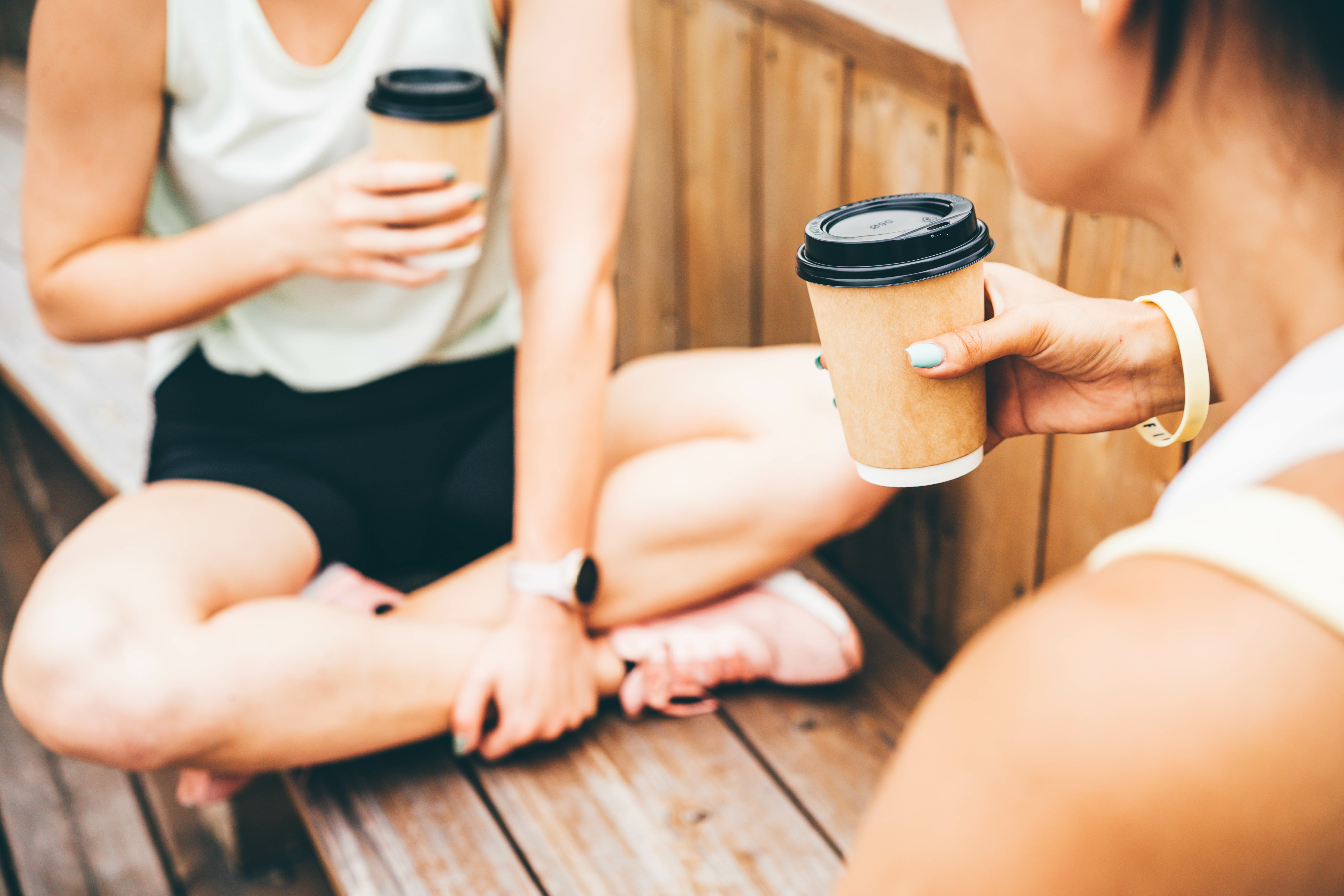
The burning question - or maybe you have already discovered it to be true. You’ve stopped at Tim’s for an iced capp on your way to a hockey game and coincidentally discovered the full effects on the ice an hour later. You scored four goals, skated circles around your opponents and was voted MVP. Well….that might be an exaggeration but you definitely noticed a difference.
YES, caffeine can enhance your athletic performance. It can sharpen your focus, alertness and reaction time, as well as delay fatigue.
HOWEVER, there are a few caveats to this.
- Research shows the greatest benefit is with endurance athletes.
- Having caffeine on a regular basis may not give you as big a boost in performance. Your body can start to adapt to it and build a tolerance. Technically, if you want to use it for performance, caffeine has to be out of your system for 7 days.
- Higher amounts taken over the recommended doses can actually start to impair your performance.
In addition to this, there are many SIDE EFFECTS to caffeine that you need to be aware of.
So…. before you head to Tim’s everyday for your iced cap, have a read. Some of these things may not be very fun if you were in the midst of tryouts or at a tournament!
- Caffeine is a stimulant, a natural occurring one, but still a stimulant. This means that it increases your heart rate and your blood pressure and creates a stress response in the body. Over time, this can contribute to health issues like high blood pressure and diabetes.
- Caffeine creates a high but also a low. When the caffeine wears off there is usually a crash in mood and energy.
- Caffeine can create dependence and then subsequently symptoms of withdrawal when you miss a day.
- Caffeine can contribute to restlessness, irritability, anxiety and heart palpitations.
- Caffeine can interrupt sleep and contribute to insomnia.
- Caffeine can cause gastro-intestinal issues such as bloating, heartburn, and loose stools.
Having said all of that, I feel like the number one goal of an athlete is energy. And so, I understand that caffeine can be a quick and convenient way to get a pick me up.
I think you all know where to find caffeine - at Starbucks, Macs, and Tims! Caffeine is in coffee, tea, soda, energy drinks/powders/gels/gums and chocolate in varying degrees. A regular daily dose of caffeine that is ‘safe’ for ADULTS is 300-400mg which equates to about 3-4 cups of coffee. The recommended daily dose for TEENAGERS that is ‘safe’ is no more than 100mg of caffeine. This is about 1 cup of coffee or 2 caffeinated sodas. If you are under 12 years of age, caffeine is not recommended at all because it can affect your growth and development. And, did you know that there is a lethal dose of caffeine. That seems crazy, I know, but it is - after all - a drug - the world’s most popular drug. Caffeine can affect everyone differently. In general though, it takes about 15-30 minutes for the caffeine to hit the bloodstream and an hour for the full effect. And, it stays in your system for 3-6 hours after ingestion. Some people are sensitive to it and some are not, and there are many factors contributing to how it affects your body.
Yes I get it, everyone drinks some sort of caffeine, whether it’s an energy drink or a coffee. I do have to say though that nothing benefits your energy levels more than a healthy diet, regular eating in and around exercise and getting adequate sleep. These combined, lessen the need for caffeine for energy and will provide you with consistent energy. I can’t tell you not to drink caffeine, cause let’s be real, I’m sure you are already there.
But, my advice to you is this:
- Stay within the recommended daily limits.
- Experiment in practice, not in competition.
- Try to make better choices when it comes to your source of caffeine.
Tanya Bradshaw
Certified Holistic Nutritional Consultant
Sources:
- Styner, Yvette. (2017, April 18). Caffeine and Sports Performance. Mipstick Nutrition. https://www.mipstick.com/caffeine-sports-performance/.
- Bean, Anita. (2017). The Complete Guide to Sports Nutrition. (8th ed.) Bloomsbury Publishing.
- Bubbs, Marc & Yungblut, Joni. (2014) A Handbook for CSNN Students - Nutrition and Athletic Performance. CSNN Publishing.
.png)
.jpg)